In recent decades, dietary supplements have become increasingly popular among individuals seeking to improve physical fitness, athletic performance, and overall health. From protein powders and vitamins to herbal extracts and performance-enhancing products, supplements are widely marketed as quick and effective solutions for building muscle, increasing energy, and accelerating recovery. As a result, supplements are now a common feature of fitness culture, used by athletes, gym-goers, and recreational exercisers alike.

Despite their popularity, supplements are often misunderstood. While they can play a supportive role in physical fitness, they are not substitutes for proper nutrition, regular exercise, or adequate rest. Physical fitness is built primarily through consistent training, balanced diet, and healthy lifestyle habits. Supplements, as their name suggests, are intended to supplement these foundations, not replace them. This article explores the role of supplements in physical fitness by examining their benefits, limitations, common types, safety considerations, and their place within a holistic approach to health and well-being.
Understanding Supplements
Dietary supplements are products designed to provide nutrients or bioactive compounds that may be missing or insufficient in a person’s regular diet. They come in various forms, including tablets, capsules, powders, liquids, and bars. Supplements may contain vitamins, minerals, amino acids, proteins, fatty acids, plant extracts, or other substances.
In the context of physical fitness, supplements are often used to support performance, recovery, muscle growth, or general health. However, their effectiveness depends on individual needs, lifestyle factors, and existing dietary habits. For individuals with balanced diets and no nutritional deficiencies, the benefits of supplementation may be limited.
It is important to understand that supplements are not regulated in the same way as prescription medications in many countries. This makes informed and cautious use essential for anyone considering supplementation as part of a fitness routine.
Supplements and Physical Performance
One of the primary reasons people use supplements is to enhance physical performance. Certain supplements can support training by improving energy availability, endurance, or strength when used appropriately.
Caffeine is one of the most widely studied and effective performance-enhancing supplements. It stimulates the central nervous system, reduces perceived effort, and can improve endurance, focus, and reaction time. As a result, caffeine is commonly found in pre-workout supplements and energy drinks.
Creatine is another well-researched supplement, particularly effective for high-intensity and strength-based activities. It increases the availability of phosphocreatine in muscles, allowing for improved power output and performance during short bursts of intense exercise. Over time, this can contribute to increased strength and muscle mass when combined with resistance training.
While these supplements can provide measurable benefits, their effects are modest compared to the impact of consistent training and proper nutrition. They should be viewed as tools that may offer incremental improvements rather than transformative results.
Protein Supplements and Muscle Development
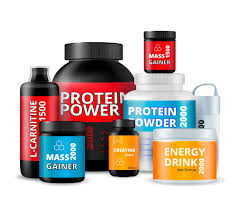
Protein supplements, such as whey, casein, and plant-based protein powders, are among the most commonly used supplements in physical fitness. Protein plays a crucial role in muscle repair, growth, and maintenance, making adequate intake essential for individuals engaged in regular exercise.
Protein supplements offer a convenient way to increase protein intake, particularly for those with high training demands or limited access to protein-rich foods. Whey protein is rapidly absorbed and is often consumed after workouts to support muscle recovery. Casein protein digests more slowly and is sometimes taken before sleep to provide a sustained release of amino acids.
While protein supplements can be helpful, they are not necessary for everyone. Whole food sources such as lean meats, fish, eggs, dairy, legumes, and nuts can provide sufficient protein for most individuals. Supplements are most beneficial when dietary intake alone is inadequate.
Supplements and Recovery
Recovery is a vital component of physical fitness, and some supplements are marketed specifically to support this process. Intense exercise places stress on muscles, connective tissues, and the nervous system, making recovery essential for adaptation and injury prevention.
Branched-chain amino acids (BCAAs) are often promoted for reducing muscle soreness and improving recovery. While they may offer some benefits, particularly for individuals with low protein intake, their effects are generally modest when total dietary protein is adequate.
Other supplements, such as omega-3 fatty acids, may support recovery by reducing inflammation and supporting joint health. Omega-3s are also associated with cardiovascular and cognitive benefits, making them valuable beyond fitness alone.
Adequate sleep, hydration, and balanced nutrition remain far more influential for recovery than any single supplement. Supplements should complement, not replace, these foundational practices.
Vitamins, Minerals, and General Health
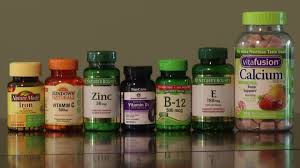
Micronutrient supplements, including vitamins and minerals, are commonly used to support general health and physical fitness. These nutrients are involved in energy production, bone health, immune function, and muscle contraction.
For individuals with deficiencies, supplementation can significantly improve health and exercise capacity. For example, iron supplementation may benefit those with low iron levels, while vitamin D is important for bone health and muscle function, particularly in populations with limited sun exposure.
However, excessive intake of certain vitamins and minerals can be harmful. Fat-soluble vitamins such as A, D, E, and K can accumulate in the body and cause toxicity when consumed in large amounts. This highlights the importance of using supplements based on actual need rather than assumption.
A nutrient-rich diet remains the most effective way to meet micronutrient requirements, with supplements used selectively when necessary.
Supplements and Body Composition
Many supplements are marketed for fat loss, muscle gain, or body recomposition. While some may offer small benefits, body composition is primarily influenced by overall energy balance, training stimulus, and dietary quality.
Fat-burning supplements often contain stimulants or herbal ingredients that slightly increase metabolism or suppress appetite. Their effects are typically minimal and short-lived, and some may carry safety risks. Sustainable changes in body composition are far more effectively achieved through diet and exercise.
Muscle-building supplements, such as creatine and protein, can support gains in lean mass when combined with resistance training. However, without consistent training and sufficient caloric intake, these supplements provide little benefit.
Understanding realistic expectations is essential when using supplements for body composition goals.
Safety and Ethical Considerations
Safety is a critical consideration when using supplements. Because regulation varies, some products may contain contaminants, inaccurate labeling, or banned substances. This is particularly important for competitive athletes, who may be subject to anti-doping regulations.
Consulting healthcare professionals or qualified nutritionists before starting supplements can help reduce risks, especially for individuals with medical conditions or those taking medications. Reading labels carefully and choosing reputable brands are also important steps.
Ethically, the use of supplements raises questions about fairness and dependency. While most legal supplements are widely accepted, reliance on them can distract from developing healthy habits and intrinsic motivation for fitness.
Supplements Across Different Populations
The role of supplements in physical fitness varies across different populations. Athletes with high training loads may benefit more from supplementation due to increased nutrient demands. Older adults may use supplements to support bone health, muscle mass, and nutrient absorption.
Vegetarians and vegans may consider supplements such as vitamin B12, iron, or omega-3 fatty acids, depending on dietary intake. Individuals with medical conditions or restricted diets may also require targeted supplementation.
In contrast, beginners or recreational exercisers often experience significant fitness improvements without any supplements at all, simply by improving diet, exercise, and sleep habits.
Integrating Supplements Into a Fitness Lifestyle
To use supplements effectively, they should be integrated thoughtfully into an overall fitness plan. This begins with assessing dietary intake, training demands, and personal goals. Supplements should address specific needs rather than being used indiscriminately.
Education is key. Understanding what supplements can and cannot do helps individuals make informed choices and avoid unrealistic expectations. Emphasizing consistency in training, balanced nutrition, and recovery ensures that supplements remain supportive rather than central to fitness progress.
A minimalist approach is often most effective, focusing on a small number of evidence-based supplements rather than complex regimens.
Conclusion
Supplements can play a supportive role in physical fitness, but they are not magic solutions. Their effectiveness depends on appropriate use, individual needs, and the presence of strong foundational habits such as proper diet, regular exercise, and adequate sleep.
When used responsibly, certain supplements can enhance performance, support recovery, address nutritional deficiencies, and contribute to overall health. However, overreliance on supplements can be costly, ineffective, and potentially harmful.
Ultimately, physical fitness is built through consistent effort, informed choices, and sustainable lifestyle practices. Supplements should be viewed as optional tools that complement, rather than replace, the core elements of fitness and well-being.