Sleep is one of the most essential yet frequently neglected components of health and well-being. In modern society, long working hours, digital distractions, stress, and irregular schedules have contributed to widespread sleep deprivation. While nutrition and exercise are often emphasized as the pillars of physical fitness, sleep is equally vital and fundamentally interconnected with both. Without adequate, high-quality sleep, the body cannot fully recover, adapt, or function at its optimal level.
Good sleep is not simply about rest; it is an active biological process during which the body repairs tissues, regulates hormones, consolidates memory, and restores energy. Physical fitness and overall well-being depend heavily on this nightly recovery process. This article explores the importance of good sleep in physical fitness and well-being by examining its role in physical recovery, athletic performance, mental health, metabolic regulation, immune function, and long-term health.
Understanding Sleep and Its Stages

Sleep is a complex physiological state made up of distinct stages that cycle throughout the night. These stages include non-rapid eye movement (NREM) sleep, which consists of light sleep and deep sleep, and rapid eye movement (REM) sleep, which is associated with dreaming and cognitive processing.
Deep sleep is particularly important for physical fitness, as it is during this stage that the body releases growth hormone, repairs muscle tissue, and strengthens bones. REM sleep, on the other hand, plays a critical role in learning, emotional regulation, and memory consolidation. A healthy sleep cycle requires sufficient time in all stages, not just total hours asleep.
Disruptions to sleep cycles, whether from insufficient sleep duration or poor sleep quality, interfere with these restorative processes. Over time, this can negatively affect physical performance, mental clarity, and overall well-being.
Sleep and Physical Recovery

One of the most important roles of sleep in physical fitness is recovery. Exercise places stress on muscles, joints, and the nervous system. While this stress is necessary for adaptation and improvement, recovery is what allows the body to rebuild stronger than before.
During sleep, particularly deep sleep, the body increases protein synthesis and releases hormones such as growth hormone and testosterone, which are essential for muscle repair and growth. Microtears in muscle fibers caused by resistance training are repaired during sleep, leading to increased strength and muscle mass over time.
Insufficient sleep impairs these recovery processes, resulting in prolonged muscle soreness, reduced training adaptations, and an increased risk of injury. Athletes and physically active individuals who prioritize sleep often experience faster recovery times and greater improvements in performance compared to those who are chronically sleep-deprived.
Sleep and Athletic Performance
Sleep has a direct and measurable impact on physical performance. Reaction time, coordination, strength, endurance, and accuracy are all influenced by sleep quality and duration. Even a single night of poor sleep can reduce performance, while chronic sleep deprivation compounds these effects.
Studies have shown that athletes who consistently get adequate sleep demonstrate improved speed, endurance, and decision-making during competition. Sleep supports neuromuscular coordination, allowing the brain and muscles to communicate efficiently. This is especially important in sports and activities that require precision, balance, and quick responses.
Lack of sleep also increases perceived effort during exercise, making workouts feel harder than they actually are. This can reduce motivation and consistency, both of which are critical for maintaining physical fitness. In this way, sleep indirectly influences training adherence and long-term fitness outcomes.
Hormonal Balance and Metabolism
Sleep plays a crucial role in regulating hormones that affect physical fitness, appetite, and energy balance. Key hormones influenced by sleep include cortisol, insulin, leptin, and ghrelin.
Cortisol, often referred to as the stress hormone, follows a natural daily rhythm. Poor sleep disrupts this rhythm, leading to chronically elevated cortisol levels, which can contribute to muscle breakdown, fat storage, and impaired recovery. Elevated cortisol also interferes with immune function and mental well-being.
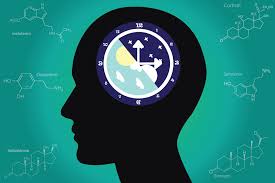
Leptin and ghrelin regulate hunger and satiety. Sleep deprivation decreases leptin levels, which signal fullness, and increases ghrelin levels, which stimulate appetite. This hormonal imbalance often leads to increased cravings for high-calorie, sugary foods, making it more difficult to maintain a healthy diet and body composition.
Insulin sensitivity is also negatively affected by poor sleep, increasing the risk of weight gain and type 2 diabetes. From a physical fitness perspective, proper sleep supports efficient energy use and metabolic health, allowing the body to fuel exercise and recovery effectively.
Sleep and Body Composition
Good sleep is closely linked to healthy body composition, which refers to the balance between fat mass and lean mass. While exercise and nutrition are key factors in body composition, sleep acts as a regulator that influences how the body responds to both.
When sleep is inadequate, the body becomes more prone to storing fat and losing muscle mass. This occurs due to hormonal disruptions, increased inflammation, and reduced capacity for muscle repair. Individuals who are sleep-deprived may also experience reduced exercise performance, leading to lower overall energy expenditure.
Conversely, adequate sleep supports muscle retention and fat loss by optimizing hormone levels and recovery processes. This highlights that physical fitness is not solely determined by how hard one trains, but also by how well one sleeps.
Mental Health and Emotional Well-Being

The relationship between sleep and mental health is deeply intertwined. Good sleep supports emotional regulation, stress management, and cognitive function, all of which contribute to overall well-being and physical fitness.
Sleep deprivation is associated with increased levels of anxiety, irritability, and depressive symptoms. Poor sleep reduces the brain’s ability to regulate emotions and cope with stress, making daily challenges feel more overwhelming. This mental strain can negatively affect motivation to exercise and maintain healthy habits.
Adequate sleep improves mood, focus, and resilience. Individuals who sleep well are more likely to feel energized, motivated, and mentally prepared to engage in physical activity. In this way, sleep acts as a foundation for both mental and physical well-being.
Immune Function and Illness Prevention
Sleep is essential for maintaining a strong and effective immune system. During sleep, the body produces cytokines and other immune factors that help fight infection and inflammation. Chronic sleep deprivation weakens immune defenses, increasing susceptibility to illness.
Frequent illness or prolonged recovery from minor infections can significantly disrupt physical fitness routines. Missed workouts and reduced energy levels make it difficult to maintain consistency in exercise.
By supporting immune function, good sleep helps individuals stay healthy and active. This consistency is crucial for long-term physical fitness and overall well-being.
Sleep Across the Lifespan
The importance of good sleep spans all stages of life. In children and adolescents, sleep supports physical growth, brain development, and emotional regulation. Adequate sleep during these formative years is associated with better academic performance, healthier body composition, and improved mental health.
In adulthood, sleep helps manage stress, maintain metabolic health, and support physical performance. For older adults, sleep becomes increasingly important for preserving cognitive function, immune health, and mobility.
Although sleep patterns may change with age, the need for restorative sleep remains constant. Prioritizing sleep at every stage of life is essential for sustaining physical fitness and well-being.
Sleep Quality Versus Sleep Quantity
While sleep duration is important, sleep quality is equally critical. High-quality sleep involves falling asleep easily, staying asleep through the night, and waking up feeling refreshed.
Factors that influence sleep quality include stress levels, sleep environment, caffeine and alcohol consumption, and screen exposure before bedtime. Establishing consistent sleep routines and healthy sleep habits can significantly improve both sleep quality and overall well-being.
For physical fitness, uninterrupted and restorative sleep allows the body to fully engage in recovery and adaptation processes. Simply spending more time in bed does not compensate for poor sleep quality.
Integrating Good Sleep Into a Healthy Lifestyle
Good sleep should be viewed as a core pillar of health alongside exercise and nutrition. Integrating sleep into a healthy lifestyle requires conscious prioritization and behavioral changes.
Strategies such as maintaining consistent sleep and wake times, creating a calm sleep environment, limiting screen time before bed, and managing stress can greatly improve sleep quality. Physical activity itself can enhance sleep, creating a positive feedback loop between exercise and rest.
By recognizing sleep as an active contributor to physical fitness, individuals can make more informed decisions about their daily routines and recovery practices.
Conclusion
Good sleep is essential for physical fitness and overall well-being. It supports physical recovery, athletic performance, hormonal balance, metabolic health, mental resilience, immune function, and long-term disease prevention. Without adequate sleep, the benefits of exercise and nutrition are significantly diminished.
In a culture that often values productivity over rest, sleep is frequently sacrificed. However, this sacrifice comes at a high cost to health and performance. Physical fitness is not built solely in the gym or on the track, but also in the quiet hours of sleep when the body repairs and regenerates.
Prioritizing good sleep is an investment in strength, energy, mental clarity, and longevity. By treating sleep as a non-negotiable component of a healthy lifestyle, individuals can enhance their physical fitness and improve their overall quality of life.