Physical fitness is widely recognized as a cornerstone of good health and overall well-being. In an age where sedentary lifestyles are increasingly common due to technological convenience, the role of regular exercise has never been more important. Exercise is not merely about improving appearance or athletic performance; it is a fundamental biological requirement for maintaining the health of the body and mind. From strengthening the heart and muscles to improving mental clarity and emotional resilience, exercise plays a central role in physical fitness and long-term quality of life.

Physical fitness can be broadly defined as the ability of the body to function efficiently and effectively in work, leisure activities, and daily tasks, while remaining resilient against disease and fatigue. Exercise is the primary means by which physical fitness is developed, maintained, and enhanced. This article explores the importance of exercise in physical fitness by examining its effects on the cardiovascular system, muscular strength and endurance, flexibility, body composition, mental health, disease prevention, and longevity.
Getting older doesn’t only mean saggy skin and greying hair and aching bones. You are also more susceptible to diseases like cancer and cardiovascular illnesses as you begin to age. The tips in this article can help you with staying fit and feeling young.
The quality of life starts to improve by experiencing positive energy and harmony in our lives. staying young, doing things we love, adding variety, passionate living, selfless love, ‘can-do’ attitude – all go a long way in making your life a truly delightful journey. Here are some tips for living radiantly alive each day of your life.
Make smart and healthy lifestyle decisions. Quit smoking. Cut down on the booze. In addition to being terrible habits, smoking and drinking will only hinder your efforts to get fit and lead a healthier lifestyle. Smoking wreaks havoc on your lungs and impedes your ability to properly exercise each day. Drinking is awful both for your liver and your energy levels.
Professional guidance can make fitness training much more effective. If you have a friend with lots of experience with exercise and healthy eating, do not hesitate to get advice from them. When you reach the limits of what your acquaintances can teach you, consider engaging a personal trainer. A personal trainer’s expertise, can deliver great results and be more than worth the expense. Having a high level of fitness helps you staying young
Some Popular Kinds of Exercise
Aerobics and Fitness
Increasing our fitness levels is essential too. The world’s oldest marathon runner is 101 year-old. He has completed nine marathons sometime back, twelve as well as in April of 2012, he beat his own record. At 101, he jogs ten miles every day and was a division of the London Olympics Torch. He didn’t begin running seriously until eleven years ago, so it’s never too late to begin your fitness regime. Another, a Canadian, recently ran a marathon at seventy-three years of aging in under three hours.
Buy Wii Fit! Believe it or not this video game is actually quite helpful in aiding your fitness routine. This game lets you get a full workout without having to leave your house. It also teaches you some basic manoeuvres so that, if you do decide to move to a public space to do your workout, you will have some knowledge under your belt. Lots of people shy away from working out in public because they are afraid of looking foolish. You can avoid this dilemma when you use Wii Fit.

Stretching
A daily program of stretching for some older adults has proven to raise circulation and strengthen overall body pain associated with arthritis and help you in staying young. Stretching helps prevent injuries before warming up muscles and tendons which will lessen the chance of tearing. Seniors should spend no less than 10 minutes per day stretching the several muscle groups to reduce general pain.
Swimming
Swimming is a whole body workout with the least stress figure. Great for the aging with little stamina. Swimming tones full body, burns calories, as well as doesn’t injure. The downside is obtaining a pool, lake, or ocean that’s amenable to year round swimming. Swimming is enjoyed only by those that do not mind getting wet.
Cycling
And with the many means of transportation nowadays, riding a bike to work or to school will prove to be economical and earth friendly too. This no wonder why some adults are still enjoying and getting pleasure in biking that they spend hours just riding it. One will surely ask, is biking a child’s play? Is it meant just for kids?
High Intensity Interval Training (HIIT)
High Intensity Interval Training includes very fast paced workouts that alternate short bursts of high intensity followed by some very quick recovery periods.
HIIT has been shown to boost metabolism, Melt away your fat and build muscle. It is also very good if you are aging and want to build up your fitness level.
Understanding Physical Fitness and Exercise
Physical fitness is composed of several interrelated components, including cardiovascular endurance, muscular strength, muscular endurance, flexibility, balance, coordination, and body composition. Exercise refers to planned, structured, and repetitive physical activity performed with the goal of improving or maintaining one or more aspects of physical fitness.
While daily movement such as walking to the shops or doing household chores contributes to general activity levels, exercise is distinct in that it is intentional and designed to challenge the body beyond its normal routines. This challenge is what stimulates adaptation. When the body is exposed to physical stress through exercise, it responds by becoming stronger, more efficient, and more resilient.
Without regular exercise, the body gradually loses its capacity to perform physical tasks. Muscle mass declines, cardiovascular efficiency decreases, joints stiffen, and metabolic health deteriorates. Exercise, therefore, is not optional for physical fitness; it is essential.
Cardiovascular Health and Exercise
One of the most significant benefits of exercise is its positive impact on the cardiovascular system. Cardiovascular exercise, also known as aerobic exercise, includes activities such as walking, running, cycling, swimming, and rowing. These activities elevate the heart rate and increase oxygen demand, training the heart and lungs to work more efficiently.
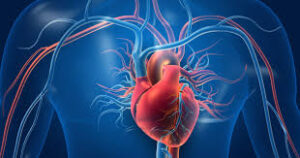
Regular aerobic exercise strengthens the heart muscle, allowing it to pump more blood with each beat. This leads to a lower resting heart rate and improved circulation throughout the body. Improved circulation ensures that oxygen and nutrients are delivered more effectively to tissues and that waste products are removed efficiently.
Exercise also helps regulate blood pressure and improves cholesterol levels by increasing high-density lipoprotein (HDL) cholesterol while reducing low-density lipoprotein (LDL) cholesterol and triglycerides. These changes significantly reduce the risk of cardiovascular diseases such as heart attack, stroke, and atherosclerosis.
From a physical fitness perspective, cardiovascular endurance allows individuals to perform daily activities with less fatigue. Climbing stairs, carrying groceries, or engaging in recreational activities becomes easier when the heart and lungs are well conditioned. This functional benefit underscores why exercise is fundamental to physical fitness.
Muscular Strength, Endurance & Exercise
Muscular strength and muscular endurance are essential components of physical fitness, both of which are developed primarily through resistance training and weight-bearing exercise. Strength refers to the maximum force a muscle can produce, while endurance refers to the muscle’s ability to sustain repeated contractions over time.
Resistance training, such as weightlifting, bodyweight exercises, and resistance band workouts, stimulates muscle fibers to grow stronger and larger through a process known as hypertrophy. Stronger muscles improve posture, protect joints, and reduce the risk of injury during physical activity and daily movements.
Muscular endurance is equally important, particularly for tasks that require prolonged effort, such as standing for long periods, lifting repeatedly, or maintaining physical activity over time. Exercises with higher repetitions and lower resistance enhance endurance, allowing muscles to resist fatigue more effectively.
As people age, muscle mass naturally declines in a process called sarcopenia. Regular exercise, especially resistance training, is the most effective way to slow or even reverse this decline. Maintaining muscular strength and endurance is vital for preserving independence, mobility, and overall physical fitness throughout life.
Flexibility, Mobility, Joint Health & Exercise
Flexibility and mobility are often overlooked aspects of physical fitness, yet they are crucial for maintaining functional movement and preventing injury. Flexibility refers to the ability of muscles to lengthen, while mobility involves the range of motion available at a joint.
Exercise that includes stretching, yoga, Pilates, or dynamic movement patterns helps maintain and improve flexibility and joint mobility. When muscles and joints move through their full range of motion regularly, they remain supple and less prone to stiffness or pain.
Good flexibility improves posture and movement efficiency, reducing unnecessary strain on muscles and joints. This is particularly important for individuals who spend long hours sitting or performing repetitive movements. Exercise counteracts the negative effects of prolonged inactivity by promoting balanced muscle development and joint health.
From a physical fitness standpoint, flexibility enhances performance in nearly all forms of physical activity. It allows for better technique, greater strength expression, and reduced injury risk, making it an integral component of a well-rounded exercise routine.
Exercise and Body Composition
Body composition refers to the relative proportions of fat mass and lean mass in the body. Exercise plays a key role in optimizing body composition, which is a critical marker of physical fitness and health.
Regular physical activity increases energy expenditure, helping to regulate body weight and reduce excess body fat. Aerobic exercise burns calories directly, while resistance training increases lean muscle mass, which in turn raises resting metabolic rate. This means the body burns more calories even at rest.
Maintaining a healthy body composition is associated with lower risks of numerous chronic conditions, including type 2 diabetes, cardiovascular disease, and metabolic syndrome. Exercise improves insulin sensitivity, allowing the body to manage blood sugar levels more effectively.
Importantly, exercise promotes a healthier body composition regardless of weight changes. Individuals may experience improvements in muscle tone, strength, and metabolic health even if the number on the scale does not change significantly. This highlights that physical fitness is about function and health rather than appearance alone.
Mental Health and Cognitive Benefits
The importance of exercise in physical fitness extends beyond the physical body to the mind. Exercise has profound effects on mental health, cognitive function, and emotional well-being, all of which contribute to overall fitness and quality of life.
Physical activity stimulates the release of endorphins, often referred to as “feel-good” hormones, which help reduce stress, anxiety, and symptoms of depression. Regular exercise is associated with improved mood, better sleep quality, and enhanced self-esteem.
Exercise also supports brain health by increasing blood flow to the brain and promoting the growth of new neural connections. Studies have shown that physically active individuals tend to have better memory, concentration, and cognitive flexibility compared to sedentary individuals.
From a practical perspective, improved mental health enhances consistency in physical activity and other healthy behaviors. When individuals feel mentally resilient and emotionally balanced, they are more likely to maintain an active lifestyle, reinforcing the positive cycle between exercise and physical fitness.
Disease Prevention and Immune Function
One of the most compelling reasons exercise is essential to physical fitness is its role in disease prevention. Regular physical activity is associated with reduced risk of numerous chronic diseases, including heart disease, stroke, type 2 diabetes, certain cancers, osteoporosis, and hypertension.
Exercise improves immune function by promoting healthy circulation of immune cells throughout the body. This enhanced surveillance helps the immune system detect and respond to pathogens more effectively. While excessive or extreme exercise can temporarily suppress immunity, moderate and regular exercise strengthens immune defenses.
Bone health is another critical area influenced by exercise. Weight-bearing and resistance exercises stimulate bone formation and slow bone loss, reducing the risk of osteoporosis and fractures later in life. Strong bones are essential for maintaining mobility and independence, particularly in older adults.
By reducing disease risk and supporting immune health, exercise helps individuals maintain physical fitness over the long term rather than merely achieving short-term improvements.
The Role of Consistency and Lifestyle Integration in Exercise
While the benefits of exercise are extensive, they depend heavily on consistency. Physical fitness is not achieved through occasional bursts of activity but through regular, sustained engagement in exercise over time.
Integrating exercise into daily life increases the likelihood of long-term adherence. This can include structured workouts, recreational sports, active commuting, or lifestyle activities such as gardening or hiking. Enjoyment and personal relevance are key factors in maintaining consistency.
Balanced exercise programs typically include cardiovascular training, strength training, flexibility work, and rest. This holistic approach ensures that all components of physical fitness are addressed while minimizing the risk of overtraining or injury
Exercise is the foundation of physical fitness and a vital determinant of health, functionality, and longevity. Its benefits extend across every system of the body, from the heart and muscles to the brain and immune system. Through regular exercise, individuals develop cardiovascular endurance, muscular strength and endurance, flexibility, healthy body composition, and mental resilience.
In a world increasingly characterized by physical inactivity, prioritizing exercise is both a personal and societal imperative. Physical fitness is not reserved for athletes or fitness enthusiasts; it is a universal requirement for living well. By making exercise a consistent part of daily life, individuals invest in their present capabilities and their future independence, health, and quality of life.
Ultimately, the importance of exercise in physical fitness lies in its ability to empower people to move, function, and thrive throughout their lives.