Diet plays a fundamental role in physical fitness, health, and overall quality of life. While exercise is often seen as the most visible component of fitness, diet provides the fuel that makes physical activity possible and effective. Without proper nutrition, the body cannot perform optimally, recover efficiently, or maintain long-term health. In modern societies, poor dietary habits—characterized by excessive processed foods, high sugar intake, and nutritional imbalances—have contributed to rising levels of obesity, chronic disease, and reduced physical fitness.

A balanced and nutritious diet supports every system in the body, from muscles and bones to the heart and brain. It influences energy levels, strength, endurance, recovery, immune function, and mental well-being. Physical fitness is not achieved through exercise alone; it is the result of a coordinated relationship between physical activity, adequate rest, and proper nutrition. This article explores the importance of diet in physical fitness by examining its role in energy production, muscle growth and repair, body composition, performance, recovery, and long-term health.
Understanding Diet and Nutrition
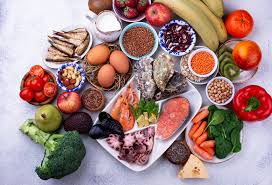
Diet refers to the types and quantities of food and drink consumed on a regular basis. Nutrition is the science that studies how these foods provide nutrients essential for growth, maintenance, and repair of the body. The main macronutrients—carbohydrates, proteins, and fats—supply energy and structural components, while micronutrients such as vitamins and minerals support metabolic processes and overall health.
A healthy diet is one that provides adequate energy and nutrients to meet the body’s needs without excess. Nutritional requirements vary depending on age, sex, activity level, and fitness goals. For physically active individuals, dietary demands are often higher due to increased energy expenditure and tissue repair needs.
Understanding the relationship between diet and physical fitness allows individuals to make informed food choices that support performance, recovery, and long-term well-being.
Energy Production and Physical Performance
One of the most important roles of diet in physical fitness is energy provision. The body relies on energy from food to fuel movement, exercise, and basic physiological functions. Carbohydrates are the primary source of energy during moderate to high-intensity physical activity, as they are efficiently converted into glucose and stored as glycogen in muscles and the liver.
Adequate carbohydrate intake ensures that glycogen stores are replenished, allowing individuals to sustain exercise performance and delay fatigue. Insufficient carbohydrate intake can lead to early exhaustion, reduced endurance, and decreased training quality.
Fats also play a crucial role in energy production, particularly during low-intensity and long-duration activities. Healthy fats support hormone production, nutrient absorption, and overall cellular function. A balanced intake of carbohydrates and fats allows the body to adapt to varying exercise demands and maintain consistent energy levels.
Without sufficient dietary energy, physical fitness suffers, as the body is unable to meet the demands of training and daily activity.
Protein and Muscle Growth
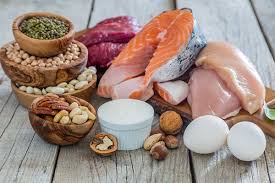
Protein is essential for muscle growth, repair, and maintenance, making it a critical component of diet in physical fitness. During exercise, particularly resistance and strength training, muscle fibers experience microscopic damage. Protein provides the amino acids required to repair this damage and stimulate muscle growth through a process known as muscle protein synthesis.
Adequate protein intake supports increases in muscular strength, endurance, and overall lean body mass. It also helps prevent muscle breakdown, especially during periods of intense training or calorie restriction.
Protein needs vary depending on activity level and fitness goals. Athletes and individuals engaged in regular exercise generally require more protein than sedentary individuals. Consuming protein consistently throughout the day, rather than in a single large meal, enhances muscle recovery and adaptation.
Without sufficient protein, training adaptations are limited, recovery is slowed, and the risk of injury and fatigue increases.
Diet and Recovery

Recovery is a vital aspect of physical fitness, and diet plays a central role in this process. After exercise, the body enters a recovery phase during which muscles are repaired, energy stores are replenished, and physiological systems return to balance.
Carbohydrates consumed after exercise help restore glycogen levels, while protein supports muscle repair and growth. Fluids and electrolytes replace those lost through sweat, maintaining hydration and preventing fatigue and cramps.
Micronutrients such as magnesium, potassium, calcium, and vitamins also contribute to recovery by supporting muscle function, nerve signaling, and tissue repair. A diet rich in whole foods—such as fruits, vegetables, lean proteins, whole grains, and healthy fats—provides the nutrients needed for efficient recovery.
Poor dietary choices can impair recovery, leading to prolonged soreness, reduced performance, and increased injury risk. Consistent recovery nutrition is therefore essential for sustaining physical fitness over time.
Body Composition and Weight Management
Body composition, the ratio of lean mass to fat mass, is a key indicator of physical fitness. Diet strongly influences body composition by regulating energy balance and nutrient availability.
A nutritious diet helps maintain a healthy body weight by providing sufficient energy without excess calories. High-quality foods tend to be more filling and nutrient-dense, reducing the likelihood of overeating. In contrast, diets high in refined sugars and processed foods often lead to energy imbalances and unwanted weight gain.
For individuals aiming to reduce body fat or increase muscle mass, diet is often more influential than exercise alone. Resistance training combined with adequate protein intake supports muscle development, while controlled energy intake promotes fat loss.
Importantly, diet affects body composition independently of weight. Individuals can improve physical fitness and health by increasing muscle mass and reducing fat, even if overall body weight changes little.
Micronutrients and Physical Health
Vitamins and minerals, though required in smaller amounts than macronutrients, are essential for physical fitness. They support energy metabolism, bone health, oxygen transport, immune function, and muscle contraction.
Iron is crucial for oxygen delivery to working muscles, while calcium and vitamin D support bone strength and reduce fracture risk. B vitamins play a key role in converting food into usable energy, and antioxidants such as vitamins C and E help reduce exercise-induced oxidative stress.
Micronutrient deficiencies can lead to fatigue, poor performance, weakened immunity, and increased injury risk. A varied and balanced diet that includes fruits, vegetables, whole grains, dairy or alternatives, and lean proteins helps ensure adequate micronutrient intake.
Supplementation may be useful in certain cases, but whole foods remain the most effective and reliable source of essential nutrients.
Hydration and Physical Fitness
Hydration is a critical yet often overlooked aspect of diet in physical fitness. Water is involved in nearly every physiological process, including temperature regulation, nutrient transport, and muscle function.
Dehydration negatively affects physical performance by reducing strength, endurance, coordination, and cognitive function. Even mild dehydration can increase perceived effort during exercise and impair recovery.
Fluid needs vary depending on activity level, climate, and individual sweat rates. Regular water intake throughout the day, combined with additional fluids during and after exercise, helps maintain optimal hydration status.
Electrolytes such as sodium and potassium are also important, particularly during prolonged or intense exercise. Proper hydration supports consistent training, effective recovery, and overall physical fitness.
Diet and Mental Well-Being
The importance of diet in physical fitness extends beyond the physical body to mental and emotional well-being. Nutrition influences brain function, mood, concentration, and stress levels, all of which affect motivation and exercise consistency.
Stable blood sugar levels, supported by balanced meals, help maintain energy and focus throughout the day. Diets rich in omega-3 fatty acids, complex carbohydrates, and micronutrients support brain health and emotional regulation.
Poor dietary habits are associated with increased fatigue, irritability, and reduced motivation, making it more difficult to engage in physical activity. A nutritious diet supports both the mental and physical aspects of fitness, reinforcing healthy lifestyle habits.
Long-Term Health and Disease Prevention
A healthy diet is essential for long-term physical fitness and disease prevention. Consistent poor nutrition increases the risk of chronic conditions such as heart disease, type 2 diabetes, hypertension, and certain cancers.
Nutritious diets that emphasize whole foods, fiber, healthy fats, and lean proteins support cardiovascular health, metabolic function, and immune strength. These benefits help individuals remain physically active and independent as they age.
Physical fitness is not only about short-term performance but also about sustaining health over a lifetime. Diet plays a central role in protecting the body against disease and functional decline.
Diet Across the Lifespan
The importance of diet in physical fitness applies at all stages of life. In childhood and adolescence, proper nutrition supports growth, bone development, and motor skill acquisition. Healthy eating habits established early often continue into adulthood.
In adulthood, diet helps manage energy levels, stress, and body composition while supporting work performance and physical activity. For older adults, nutrition becomes increasingly important for preserving muscle mass, bone density, and immune function.
Although nutritional needs change with age, the fundamental principles of a balanced diet remain consistent. Prioritizing nutrition throughout life supports sustained physical fitness and well-being.
Integrating Diet Into a Fitness Lifestyle
For diet to effectively support physical fitness, it must be sustainable and adaptable. Extreme or overly restrictive diets are difficult to maintain and often counterproductive. Instead, long-term success comes from balanced eating patterns that align with individual preferences, cultural practices, and lifestyle demands.
Meal planning, mindful eating, and education about nutrition labels can help individuals make healthier choices. Combining good nutrition with regular exercise and adequate sleep creates a comprehensive approach to physical fitness.
Consistency, rather than perfection, is key. Small, positive dietary changes made over time can lead to significant improvements in fitness and health.
Conclusion
Diet is a foundational element of physical fitness, influencing energy levels, performance, recovery, body composition, and long-term health. Without proper nutrition, the benefits of exercise are limited, and overall well-being is compromised.
A balanced diet that provides adequate macronutrients, micronutrients, and hydration supports the body’s ability to train, recover, and adapt. It also enhances mental well-being and reduces the risk of chronic disease, allowing individuals to remain active and capable throughout life.